
The Crucial Role of Homeowner's Insurance: Safeguarding Your Most Valuable Asset
"The financial implications are stark: Without insurance, a total loss could force you to dip into savings or take on debt."
HOME INSURANCEINSURANCEFINANCE
t.turgeson
2/4/20265 min read
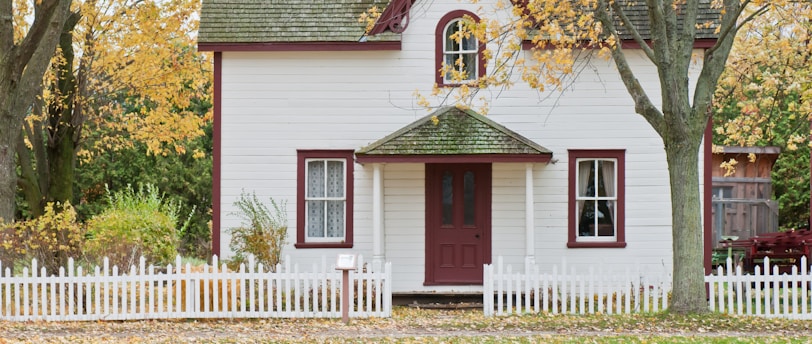

Homeownership is often hailed as the American dream—a symbol of stability, achievement, and long-term financial security. But with that dream comes responsibility, and one of the most critical aspects is protecting your investment through homeowner's insurance. Imagine waking up to a house ravaged by fire, or dealing with the aftermath of a burglary that strips away your personal belongings. Without proper coverage, these events could lead to devastating financial losses, potentially wiping out years of hard-earned equity. Homeowner's insurance acts as a financial safety net, covering damages to your property, personal items, and even liability if someone gets injured on your premises.
It's not just about repairing walls or replacing stolen goods; it's about preserving your peace of mind and ensuring you can rebuild your life without starting from scratch. In an era where natural disasters are becoming more frequent and severe—think hurricanes, wildfires, and floods—the importance of this coverage cannot be overstated. According to industry experts, a standard policy typically includes protection for the structure of your home, attached fixtures, personal belongings, liability for injuries or damages, and additional living expenses if you're displaced.
For many, their home is their largest asset, often representing over 70% of their net worth.
Skipping insurance might seem like a way to save money in the short term, but the risks far outweigh the costs. In 2025, the average annual premium for homeowner's insurance in the U.S. hovered around $1,700, a small price compared to the potential hundreds of thousands in repair bills from a single catastrophe. Moreover, it provides liability protection, shielding you from lawsuits that could arise from accidents on your property, which might otherwise drain your savings or retirement funds. Beyond the basics, homeowner's insurance fosters financial resilience. It covers not only major disasters but also everyday perils like vandalism, theft, or even water damage from burst pipes. This comprehensive shield allows homeowners to focus on enjoying their space rather than worrying about "what ifs." In essence, it's an investment in your future, ensuring that unexpected events don't derail your financial goals.
Why Homeowner's Insurance is Essential
Delving deeper, the core value of homeowner's insurance lies in its multifaceted protection. First and foremost, it safeguards the physical structure of your home against perils like fire, windstorms, hail, and lightning. If a tree falls on your roof during a storm, your policy could cover the repairs, preventing out-of-pocket expenses that might exceed $50,000. Personal property coverage extends to your belongings—furniture, electronics, clothing—reimbursing you for losses due to theft or damage, often up to 50-70% of your dwelling coverage amount. Liability coverage is another pillar, protecting you if a guest slips on your icy driveway and sues for medical bills or lost wages. Standard policies often include $100,000 to $300,000 in liability, but higher limits are advisable for those with significant assets. Additional living expenses (ALE) kick in if your home becomes uninhabitable, covering hotel stays, meals, and other costs—potentially saving you thousands during recovery. The financial implications are stark: Without insurance, a total loss could force you to dip into savings or take on debt. For instance, rebuilding a modest home might cost $200,000 or more, depending on location and materials. Insurance also mitigates risks from climate change; with rising sea levels and extreme weather, claims have surged, emphasizing the need for robust policies. Ultimately, it's about risk management—transferring the burden from your wallet to the insurer's, allowing you to weather life's storms with confidence.
Key Questions to Ask When Taking Out a Policy
Selecting the right homeowner's insurance isn't a one-size-fits-all process; it requires due diligence. Start by arming yourself with targeted questions to ensure your policy aligns with your needs and budget. Here are some essential ones, drawn from expert recommendations:
How much coverage is provided for the dwelling and personal property? Ask if the quote includes enough to rebuild your home at current construction costs, not just its market value. Also, clarify coverage for detached structures like garages or sheds.
Personal property should ideally be 50-70% of dwelling coverage, but verify if high-value items like jewelry need separate riders.
Is coverage based on replacement cost or actual cash value (ACV)? Replacement cost pays for new items without depreciation, while ACV deducts wear and tear—opt for the former to avoid shortfalls.
What are the deductibles, and are there special ones for wind, hail, or hurricanes? Higher deductibles lower premiums but increase your out-of-pocket costs during claims. Understand if percentage-based deductibles apply in high-risk areas.
What exclusions should I be aware of? Standard policies often exclude floods, earthquakes, and sewer backups—ask about add-ons and their costs.
Inquire about coverage for water damage from drains or sump pumps.
Do I qualify for discounts? Bundling with auto insurance, installing security systems, or having a claims-free history can reduce premiums by 5-20%.
Ask about loyalty or multi-policy savings.
What's the claims process like? Understand timelines, required documentation, and how disputes are handled. Also, ask about the insurer's financial stability rating from agencies like A.M. Best.
How much liability and medical payments coverage is included? Ensure it's sufficient to protect your assets—consider umbrella policies for extra protection.
Should I adjust coverage over time? As you renovate or acquire valuables, your needs change—ask how to update the policy accordingly.
Is this an all-risk or named-peril policy? All-risk covers everything except exclusions, offering broader protection.
How does my credit score, home's age, and location affect rates? These factors influence quotes—get clarity to shop effectively.
By posing these questions, you'll avoid underinsurance and tailor a policy that provides true value.
The Importance Before Mortgage Payoff During the mortgage period, homeowner's insurance is non-negotiable.
Lenders require it to protect their financial stake in your property—if your home is damaged, they want assurance it can be repaired or rebuilt. Typically, premiums are paid via an escrow account, where a portion of your monthly mortgage payment covers insurance and taxes. This setup ensures continuous coverage, preventing lapses that could lead to forced-place insurance from the lender, which is often more expensive and less comprehensive. Before payoff, insurance maintains your loan's good standing and can influence terms during refinancing. It also shields you from personal financial ruin, as you're building equity while the lender holds the note. Without it, a disaster could force foreclosure if repairs aren't funded. The Importance After Mortgage Payoff Once your mortgage is paid off, the lender's requirement vanishes, but the need for insurance doesn't. You now own 100% of your home, making protection even more vital to safeguard your full equity. Notify your insurer to remove the lender as a loss payee and switch to direct payments. Premiums might not drop automatically, but you could qualify for lower rates due to demonstrated responsibility. Post-payoff, insurance remains crucial for the same perils—fires, thefts, liability claims—that threaten your asset. Canceling it exposes you to total loss without recourse, potentially forcing you to self-fund repairs or relocate.
Instead, review and adjust coverage to fit your current situation, perhaps increasing liability if your net worth has grown. Wrapping Up: Invest in Protection Today Homeowner's insurance isn't just a policy—it's a lifeline for your home and finances. Whether mortgaged or owned outright, it provides indispensable security. By asking the right questions and understanding its role at every stage, you ensure lasting protection. Don't wait for disaster; secure your policy now for unbreakable peace of mind.